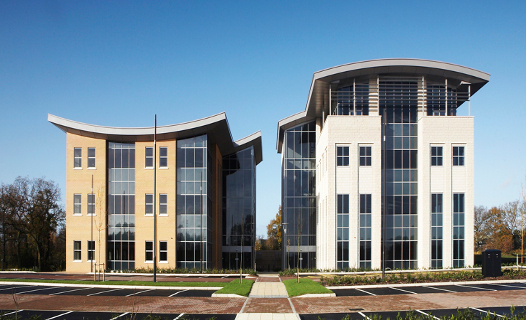



SAP or Standard Assessment Procedure, is used to assess the energy performance of new dwellings and thereby assists in delivering many of the Governments energy and environmental policy objectives. Dwellings are rated from 0 - 100, the higher the rating figure the more energy efficient. Both the Predicted Energy Assessment (PEA) and the Energy Performance Certificate (EPC) are derivatives of the SAP - view »
From 6th April 2009 any dwelling offered for sale prior to its completion will require a Predicted Energy Assessment. This measures the predicted overall energy efficiency and Environmental impact of the home based on the initial build (walls, roof, windows, floor etc) and engineering specification (heating, hot water etc) - view »
The NHER (National Home Energy Rating) is a method of assessing the energy performance and fuel cost of a dwelling. It uses a similar data set to SAP but includes more detail on occupancy, location and appliance use to give a more accurate calculation of CO2 emissions and running costs for a specific dwelling. The NHER rating is not a statutory requirement. It is often used by affordable housing providers to give a good indication of potential running costs of new properties - view »
Register for news and special offers by email
Besblock now has 4 licensed Code for Sustainable Homes Assessors. The Code is a development of the Eco Homes scheme and is administered by the BRE. It measures the ecological, environmental sustainability and energy efficiency credentials of individual properties within a housing development. A Code assessment looks in detail at various aspects of the development encompassing; Energy use, Transport, Materials in use, Pollution, Water use, Health and Well being, Ecology, Construction Management. Code assessments are required for all Housing Corporation funded schemes and such schemes are required to meet the level 3 category - view »
If you would like further information contact Martin Fulwell
The Energy Performance Certificate is produced upon completion of the dwelling after an air leakage test has been performed. It is required to be included in the Home Information pack (HIP). It will account for any changes made to the original construction specification which can occur during construction or after the PEA was produced. The rating is a measure of the building's overall energy efficiency and its environmental impact, calculated in accordance with a national methodology. It takes into account factors such as insulation, heating and hot water systems, ventilation and fuels used. The average Energy Efficiency Rating for a dwelling in England and Wales is band E (rating 46).
Buildings that are more energy efficient use less energy, save money and help protect the environment - view »
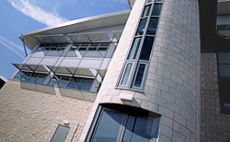
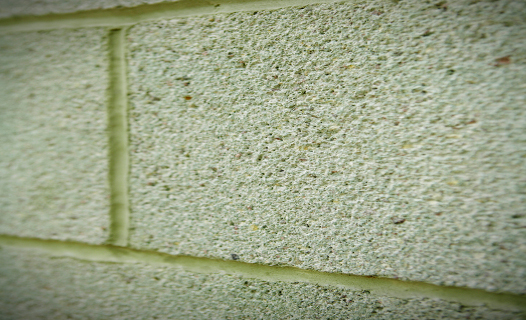
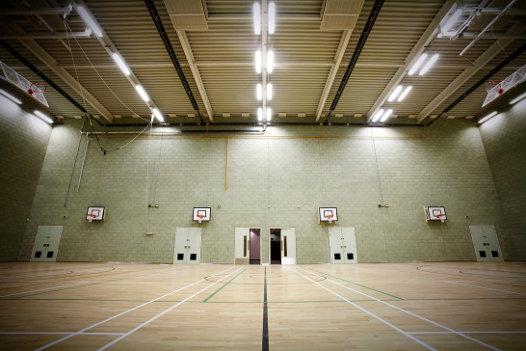
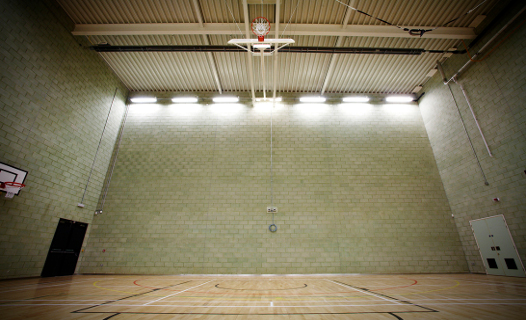
Millennium Masonry is a range of Architectural Facing Masonry manufactured in 4 exciting textures and a wide range of colours. It is suitable for both internal external applications.
Manufactured from carefully selected natural quarried aggregates, the high density of the product which incorporates a built in water inhibitor, makes it virtually impervious to rainwater thereby minimising the emission of unsightly lime bloom and efflorescence. Any staining or dirt is therefore retained to the face surface making cleaning easy.
Whilst iron oxide pigments are used in the manufacture of the stronger colours such as reds and greens, most colours are attained by blending the natural aggregates such as fine white Derbyshire limestone and golden Cotswold stone, in varying volumes to produce rich warm hues.
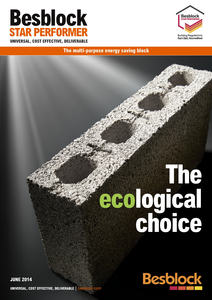
Star Performer - so named because of it's truly universal application characteristics within the general purpose housing market (flats, maisonettes etc.)
When used as directed in this section, this 100mm building block will conform with the mandatory requirements of sound and thermal insulation, beam and block flooring and most other aspects required of a 100mm block.
Think of the on site benefits, particularly in construction supervision, that the use of only one block could bring to you.
The air-tightness of a building is known as its 'air permeability' or leakage rate. Air leakage can occur through gaps, holes or cracks in the fabric of the building envelope which are not necessarily visible to the naked eye. Air leakage will affect a buildings Co2 emission rate and forms an integral part of the calculation procedure contained within Part L of The Building Regulations.
If you would like further information contact Nigel Chadwick or need to book a test please fill in the online booking form.